Why pediatric readiness matters
Every child deserves access to high-quality emergency care, no matter where they get treatment. Pediatric readiness means an emergency department (ED) is prepared to care for children. That includes having the right staff, policies, equipment and training. It also includes ongoing work to improve care for children during emergencies.
Celebrating a program milestone
Today, we celebrate the completion of the Wisconsin Pediatric Readiness Program, funded by Advancing a Healthier Wisconsin (AHW) Endowment. We are also sharing a new brief report, “Bridging the Gap: Enhancing Pediatric Readiness in Wisconsin’s Community Emergency Departments.” This milestone reflects years of teamwork and a shared goal of improving emergency care for children across Wisconsin.
The program brought together 23 EDs from across the state. Each hospital followed a structured pediatric readiness implementation process to improve how ready it is to care for children. By the end of the program, every participating ED raised their pediatric readiness scores. A total of 19 EDs raised their score by more than 10%.
The program showed that every ED can be ready for kids. Success takes three things:
- Engaged leaders
- Practical tools and guidance
- Strong pediatric champions
Hearing from program leaders
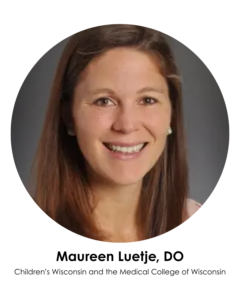
Maureen Luetje, DO, principal investigator, shared what the program meant to her.
“The Wisconsin Pediatric Readiness Program has been such an impactful experience,” Dr. Luetje said. “Working alongside emergency departments across Wisconsin has given us invaluable insight into their capabilities, the challenges they face and the incredible work they do every day to care for children in their communities. I am incredibly proud of what we have accomplished together and deeply grateful to the Advancing a Healthier Wisconsin Endowment for giving us the opportunity to do this work.”
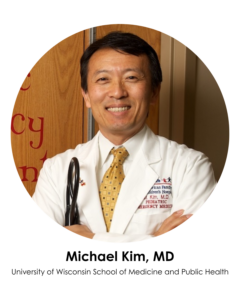
Michael Kim, MD, co-investigator, also shared his thoughts.
“I am incredibly grateful to Advancing a Healthier Wisconsin for believing in this work and providing the funding that allowed us to turn pediatric readiness from an idea into real change,” Dr. Kim said. “What I will remember most, though, are the people. We have seen significant improvements in readiness, but the numbers tell only part of the story. Hearing ED teams describe how this work has changed their confidence, their preparation and ultimately the care they provide has been incredibly powerful.”
Dr. Kim looks forward to what comes next.
“Imagine the impact when every ED, regardless of its size or location, is ready when a child needs them most,” Dr. Kim said. “That is where we are headed, and that is what makes this work so exciting.”
Thank you to our partners
This success would not have been possible without the support of AHW and every ED that took part. Thank you to the physicians, nurses, leaders and pediatric emergency care coordinators who gave their time and expertise. Your commitment to pediatric readiness will make a lasting difference for children throughout Wisconsin.
Looking ahead
While this cohort project has ended, pediatric readiness is an ongoing journey. To continue to support this work, we launched the Emergency Department Resource Hub including an updated Pediatric Readiness Implementation Guide. The hub offers practical tools, templates, examples and evidence-based guidance to help EDs grow in every area of pediatric readiness.
Explore the Emergency Department Resource Hub
Are you an ED leader, provider or pediatric champion? Visit the Emergency Department Resource Hub to find tools and the updated Implementation Guide.
Together, we can build on this progress and make sure every child in Wisconsin gets the best possible emergency care when it matters most.
Blog post written by Program Leader, Carissa Brunner, MPH